


The spring color palette sits in a tricky spot. Spring shares warmth with autumn and clarity with winter, which means a lot of colors look "almost spring" but aren't quite.
The trick is finding both at once. Warm AND clear. Not warm and muted (that's autumn). Not clear and cool (that's winter).
The spring vocabulary makes this easier. Brands signal warm-clear with specific words. Once you know them, the spring shopping experience gets a lot less confusing.
Here's the cheat code.
What "spring colors" actually means
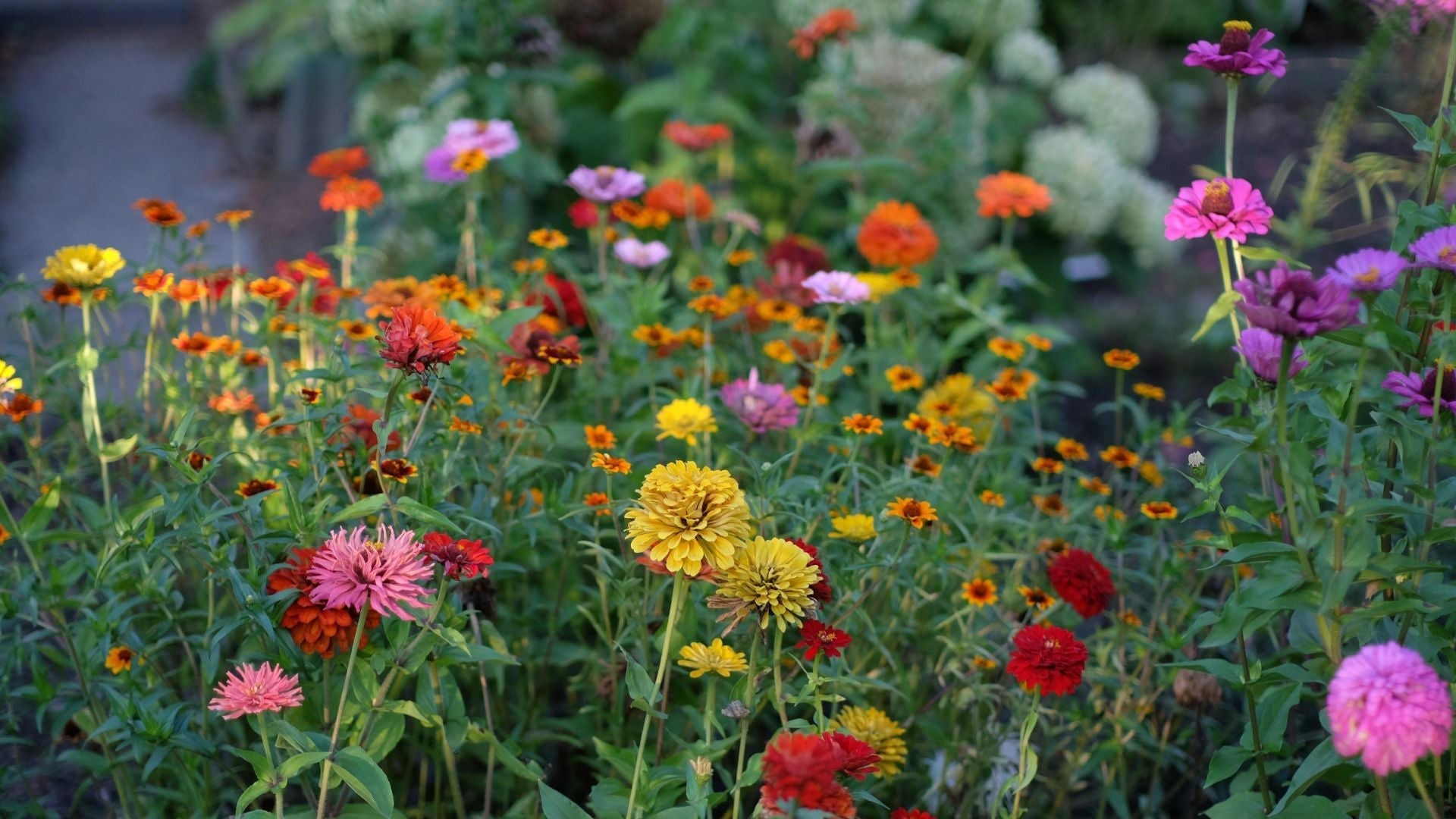
Spring colors are warm, clear, and bright. Think of a tulip field at noon. Saturated but lively, never dusty, never cool. The spring color palette is built on warm undertones (yellow, not blue), high clarity (clean and clear, never muted), and a sense of freshness or "newness."
The three spring sub-seasons split this up:
- Light Spring is light, warm, and airy (peach, buttercream, soft gold)
- True Spring is warm, golden, and balanced clear (coral, turquoise, golden yellow)
- Bright Spring is warm but high-energy clear (hot coral, lime green, electric blue)
The shared spring color vocabulary covers all three.
The spring cheat words
If a brand uses these words in a color name, it's probably spring:
- Warm clear: fresh, bright, vivid combined with warm, golden, sunny
- Floral: coral, peach, poppy, tulip, daffodil
- Light warm: buttercream, ivory, warm white, cream
- Clear warm: tangerine, kelly green, leaf, tulip pink
- Aqua: aqua, turquoise, lagoon
The combo matters. "Warm coral" is spring. "Dusty coral" is summer. "Burnt coral" is autumn. Same color word, three different families, depending on the modifier.
The spring skip list
Words that signal NOT for you: muted, dusty, smoky, sun-washed, vintage, antiqued, icy, stark, burnt, weathered.
That muted sage? Summer's. That sun-washed denim? Summer's. That burnt sienna? Autumn's. That icy blue? Winter's.
Spring is the family where "freshness" is the giveaway. If a color reads tired, dusty, or aged, it's not yours.
Spring sub-season vocabulary
Light Spring
Look for peach, buttercream, warm ivory, soft gold, light aqua. Soft but warm.
True Spring
Look for coral, warm green, golden yellow, turquoise, warm peach, poppy, tulip. The classic warm-clear core.
Bright Spring
Look for hot coral, lime green, electric blue, bright pink (warm-leaning), golden yellow. High energy, high warmth.
New to color seasons?
Grab the free 23-page guide: The 12 Color Seasons, Explained. It breaks down all 12 sub-seasons (including light, true, and bright spring) so you can see how they fit together.
Get the Free GuideWhere to shop: the spring brand cheat sheet
Spring is harder to find than autumn but easier than summer. The right brands rotate spring colors heavily in their warm-weather drops.
Lean in
J.Crew is one of the strongest spring brands seasonally. Warm corals, fresh tangerines, bright cherry, warm camels, kelly greens. Their summer drops especially hit true and bright spring. Verify current color names.
Old Navy is a bright spring favorite. Bright pink, lemon, true coral, clear primaries. Their tank and tee color rotations land bright spring well.
Gap is solid for light and true spring basics. Ecru, warm camel, cherry, aurora pink, kelly green.
If you like the cheat-code approach to brand-specific shopping, this Universal Standard cheat code guide uses the same kind of vocabulary filtering for a totally different brand.
Proceed with caution
Madewell has selective warm spring wins. Look for their warm coral and golden-yellow drops. Skip the default vintage or washed palette, which is anti-spring.
Alo Yoga is selective. Bright pink and buttercream tones. Most of Alo skews cool or muted.
Mostly skip
Athleta has light spring coverage at best. Bone works. Otherwise the line is muted or cool.
Quince has almost no spring. Their muted earth palette is the opposite of what spring needs. Rare ivory or warm camel wins, but not worth shopping the whole site.
L.L. Bean is too earthy. Barn red reads more true autumn than spring. Skip.
How to actually use this when shopping
Same two-step filter:
- Read the color name. Does it have a spring cheat word? "Warm coral" yes. "Dusty rose" no.
- Check the descriptor language. "Fresh" and "bright" and "warm"? Yes. "Vintage" and "muted"? Skip.
The trickier part for spring is the modifier. The same word ("coral," "yellow," "green") can be in any of the four families. Read the modifier, not just the color word.
A few last notes
Spring is the color family that benefits most from knowing the descriptor cheat code, because so many "almost spring" colors get marketed as spring colors. The vocabulary is your filter.
Curious how spring compares to summer, autumn, or winter? The 12 Seasons Explained guide walks through all four families so you can see how they're built differently. Spring gets confused with light summer (in the light family) and bright winter (in the bright family) most often, and the guide sorts both contrasts.
Want a spring palette built just for you?
Your specific warm corals. Your specific yellows. Your specific skip list within spring. The Glow Guide maps your sub-season, gives you a wardrobe palette, and tells you exactly which warm-clear tones to stock.
Get Your Glow Guide

